


Home Key Topics Understanding Alcohol
Understanding Alcohol
“Alcohol (also known as booze and other nicknames) is the common name for ethanol or ethyl alcohol. Pure ethanol is a clear and colourless liquid. It is the intoxicating substance present at varying levels in alcoholic beverages such as beer, wine and spirits.”
Understand how alcohol (known as ethanol or ethyl alcohol) is formed to create different beverages, common physical and mental effects of alcohol on the body, how to calculate the number of standard drinks in your container, and more helpful resources to better your understanding of alcohol and how it can vary from person to person.

Alcohol is part of many social and cultural experiences, but it also has measurable effects on the body and brain.
This page provides general information about alcohol: Understanding what alcohol is, how it is made, and how it affects the body can help support informed decisions about drinking.
What Is Alcohol?
Alcoholic beverages, beer, wine and spirits products, contain ethanol (or “ethyl alcohol”). Ethanol is a chemical compound produced when yeast ferments sugars found in grains, fruits, or other plant-based ingredients.
Ethanol, in beer, wine or spirits products, is the active ingredient in alcoholic beverages that affects the body and brain.
When consumed, ethanol enters the bloodstream and begins to affect the central nervous system.
How Alcohol Is Made
Alcohol is produced through fermentation, a natural process in which yeast converts sugars into ethanol and carbon dioxide.
Different types of alcoholic beverages are made using different ingredients and methods:
- Beer is typically made from grains such as barley. The grains are fermented and often flavoured with hops.
- Wine is made by fermenting grapes or other fruits.
- Spirits are produced by distilling fermented liquids, which increases alcohol concentration in smaller volume amounts and removes impurities.
- Cider is made from fermented apples or other fruits.
- Ready-to-drink (RTD) beverages are pre-mixed drinks that combine alcohol with flavours, juice, or carbonated beverages.
While the ingredients and processes differ, all alcoholic beverages contain ethanol.
How the Body Processes Alcohol
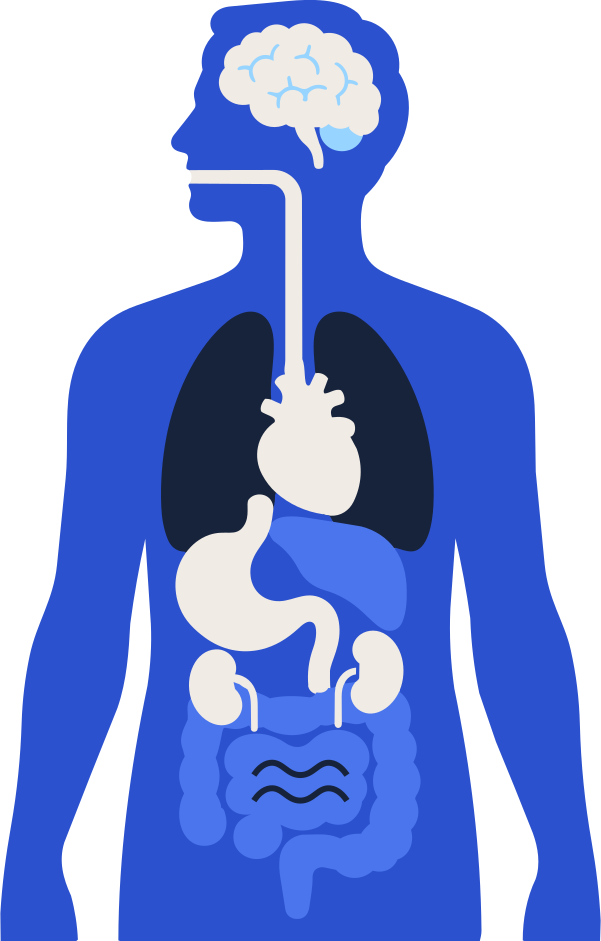
The body processes alcohol primarily in the liver. Liver enzymes break down ethanol into other substances that can be further processed and eliminated.
The liver can only process a limited amount of alcohol at a time. When alcohol is consumed faster than the body can break it down, it remains in the bloodstream. This can lead to increasing levels of intoxication.
Several factors influence how alcohol is processed, including:
- Body size and composition
- Biological sex
- Whether food has been consumed
- The speed at which alcohol is consumed
Because of these variables, alcohol can affect people differently—even when the same amount is consumed.
How Alcohol Affects the Body
After alcohol is consumed, it is absorbed into the bloodstream through the stomach and small intestine. From there, it travels throughout the body, including to the brain.
Alcohol affects the central nervous system, which controls thinking, movement, and behaviour. As a result, alcohol can:
- Change mood and emotional responses
- Reduce coordination and balance
- Slow reaction time
- Affect judgment and decision-making
These effects can begin within minutes and typically increase as more alcohol is consumed.
Why Alcohol Affects People Differently
Alcohol does not affect everyone in the same way. The same amount of alcohol can produce different effects depending on individual and situational factors.
These may include, but are not limited to:
- Body size and metabolism
- Age and biological differences
- Rate of consumption
- Genetics
- Tolerance
- Whether food has been consumed, as well as the amount and type of food eaten
- The environment and setting
Understanding these differences can help explain why alcohol affects people differently. Individuals with questions about how alcohol may affect them should speak with a healthcare provider. For some individuals, it may be safest not to drink alcohol at all.
Understanding Blood Alcohol Concentration (BAC)
Blood Alcohol Concentration (BAC) measures the percentage of alcohol in the bloodstream. As BAC rises, the effects of alcohol on the body and brain become more noticeable.
Even small increases in BAC can affect coordination and judgment. At higher levels, alcohol can significantly impair physical and cognitive functions.
BAC is influenced by several factors, including:
- The number of drinks consumed
- The time over which they are consumed
- Individual characteristics such as body size and metabolism
Understanding BAC helps explain why the effects of alcohol can build over time.
Key Takeaways
- Alcoholic beverages, beer, wine and spirits products, contain ethanol (or “ethyl alcohol”), which affects the central nervous system.
- Alcohol is produced through fermentation and distillation. While ingredients and production methods differ, all alcoholic beverages contain ethanol.
- The body processes alcohol at a limited rate, primarily in the liver.
- Blood Alcohol Concentration (BAC) reflects how much alcohol is in the bloodstream.
- The effects of alcohol depend on both the amount consumed and individual factors.
Updated: 07/24/2026